


What’s Next for AR Glasses? AI, Android XR, And The Road Ahead
Views: 0 Author: Site Editor Publish Time: 2025-10-30 Origin: Site


AI, AR, and emerging platforms are transforming how we perceive digital content — and AR Glasses are at the center of this change. At Sotech, we are committed to advancing AR technology with products like the AR Glasses G49, which integrate AI-ready hardware, modular design, and compatibility with new ecosystems to ensure users experience the most seamless augmented reality possible. These devices are designed to serve both consumer and enterprise needs, offering immersive experiences while delivering practical utility across multiple sectors, from industrial inspection to interactive entertainment and education.
As the AR ecosystem evolves, users can expect more intelligent, context-aware, and interactive AR Glasses. The G49 represents this vision, providing long-term adaptability, firmware upgrade support, and compatibility with the latest platforms like Android XR and Gemini. Understanding these technological shifts and market trends is crucial for businesses, developers, and consumers preparing for the future of augmented reality.
Platform Shifts: Android XR, Gemini, and Ecosystem Integration
The AR industry is experiencing a major platform shift as operating systems and ecosystems evolve to support more complex and interactive experiences. Google’s Android XR initiative, alongside other emerging platforms such as Gemini, is laying the foundation for a new generation of AR applications. These platforms integrate AI at the system level, allowing AR Glasses to process data locally and intelligently adapt overlays, gestures, and contextual information.
System-level AI is particularly significant because it enables AR Glasses to deliver real-time functionality without relying heavily on cloud connectivity. For example, environmental recognition, predictive navigation, and adaptive interface adjustments can all occur directly on the device. This reduces latency, improves privacy, and allows developers to build more sophisticated applications that operate reliably in variable network conditions.
The benefits of platform integration extend to application developers as well. Standardized APIs and SDKs across Android XR and Gemini ecosystems simplify the process of developing and deploying apps, ensuring broader compatibility and reducing fragmentation. The G49 is designed to align with these ecosystems, allowing developers and businesses to future-proof their software solutions while taking advantage of the latest platform innovations.
As the AR ecosystem matures, cross-device interoperability will become increasingly critical. Devices that can seamlessly interact with smartphones, tablets, and cloud services provide richer, more consistent experiences for users. By embracing platform-level intelligence and ecosystem integration, Sotech ensures that its AR Glasses remain versatile, adaptable, and fully compatible with the next generation of AR applications.
Key Technical Trends Shaping AR Glasses in the Next 2–3 Years
The technological landscape for AR Glasses is evolving rapidly, with multiple innovations poised to redefine user expectations. On-device AI assistants are now becoming standard, capable of interpreting voice commands, analyzing the environment, and responding to gestures without requiring constant cloud connectivity. This enables faster responses and a more natural interaction model.
Waveguide display technology continues to advance, offering improved brightness, higher resolution, and wider fields of view while maintaining the lightweight form factor essential for all-day wear. Users benefit from sharper images, reduced eye strain, and more immersive overlays that blend seamlessly with the real world.
Location-based AR features, powered by GNSS and other positioning technologies, will also see significant adoption. These capabilities enable applications ranging from navigation and urban exploration to industrial logistics and asset tracking. When paired with AI-driven data analysis, location-aware AR experiences become contextually intelligent, providing information exactly when and where it is needed.
Hand-tracking and gesture recognition technologies are also advancing. Devices like the G49 use multi-sensor arrays to capture detailed hand and finger movements, allowing users to manipulate virtual objects naturally and intuitively. This level of interaction opens new possibilities for industrial training, medical simulations, and collaborative workflows, where hands-free operation and precise control are critical.
Other enhancements include improved battery management, thermal optimization, and ergonomic design, ensuring AR Glasses remain functional, comfortable, and reliable throughout extended use. Collectively, these technical trends indicate that AR Glasses are moving from niche gadgets to fully capable computing platforms that integrate AI, sensing, and immersive displays.
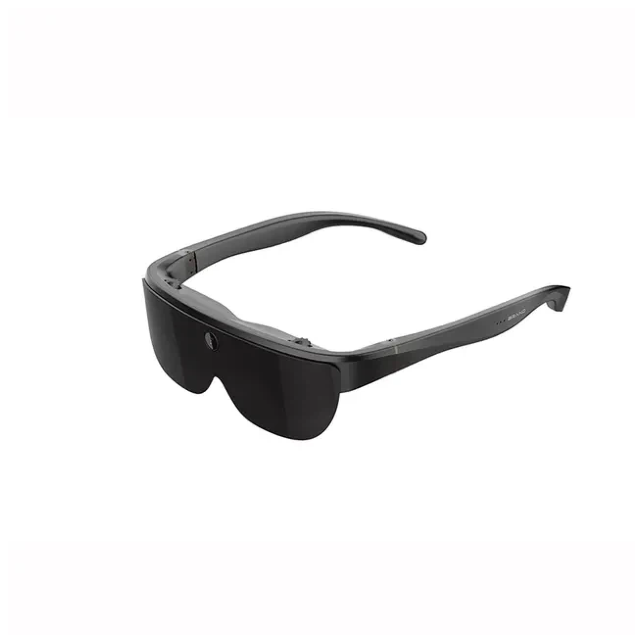
Enterprise Adoption vs Consumer Adoption: Understanding the Different Timelines
The adoption of AR Glasses varies considerably between enterprise and consumer markets due to differing priorities and usage scenarios. Enterprises prioritize reliability, security, and extensibility. Industrial inspection, remote maintenance, and medical support require AR devices that can operate continuously under demanding conditions, handle sensitive data securely, and integrate with enterprise software systems. SDK access is essential, allowing businesses to build custom applications tailored to their operational needs.
Consumers, on the other hand, prioritize usability, content variety, and interactive experiences. AR Glasses in the consumer space are often used for entertainment, social interactions, navigation, and lifestyle applications. Comfort, aesthetic design, and intuitive user interfaces are crucial for prolonged wear and widespread adoption.
Sotech’s G49 strikes a balance, providing a device that meets enterprise standards while offering a polished consumer experience. Modular hardware allows upgrades to sensors, cameras, or displays, ensuring longevity and adaptability. Firmware and software updates keep the device current, supporting new features and ecosystem integrations as they emerge. This dual-market strategy positions the G49 as a flexible, long-term solution for diverse AR applications.
How to Prepare Your Business and Product Line for AR Adoption
Companies looking to incorporate AR technology must plan strategically. Ensuring devices have firmware update capability is vital for maintaining security, adding features, and extending the product lifecycle. Modular hardware design allows individual components to be upgraded without replacing the entire device, making it cost-effective and future-proof.
Developer SDK access enables businesses to create tailored applications for specific workflows or customer experiences. From remote technical assistance and real-time data visualization to interactive training modules, the possibilities are vast. Marketing teams should also consider demonstrating AR applications to illustrate practical benefits to clients, such as improved efficiency, reduced errors, and enhanced engagement.
Additionally, companies should consider the integration of AR Glasses into broader technology stacks. Connectivity with IoT devices, cloud platforms, and enterprise management systems can enhance data flow and operational insights. Sotech’s G49 offers this level of integration, ensuring businesses can deploy AR solutions confidently and scale them as technology advances.
Why Investing in a Flexible Model Like G49 Pays Off
Investing in flexible AR Glasses today is an investment in future readiness. The G49 is built with AI-capable hardware and modular architecture, allowing the device to evolve alongside technology trends. As AI becomes more integrated into AR applications, devices capable of supporting advanced machine learning models and context-aware interactions will stand out.
Software and firmware updates extend the lifespan of the G49, enabling new functionalities and ecosystem compatibility without requiring a hardware replacement. Businesses and consumers alike gain access to the latest AR innovations without incurring additional costs or workflow disruptions.
Flexibility also ensures compatibility across multiple platforms, including Android XR and Gemini, positioning the G49 as a device that can adapt to emerging standards, applications, and user expectations. This future-oriented design underscores the value of choosing an AR Glasses model built for longevity and versatility.
Expanding AR Glasses Applications Across Industries
AR Glasses are no longer limited to entertainment; they are increasingly embedded in professional workflows. In healthcare, AR Glasses assist surgeons with real-time overlays during procedures and enable remote consultation with specialists. Industrial sectors use AR for inspections, maintenance guidance, and safety monitoring, reducing errors and improving efficiency. Educational institutions leverage AR for immersive training and interactive learning, while logistics and supply chain operations benefit from hands-free inventory management and real-time navigation.
The consumer sector continues to grow as well, with applications in gaming, fitness, navigation, and social interaction. AR Glasses allow users to overlay digital content in the real world, enabling experiences that were previously impossible on traditional screens. Devices like the G49 combine these capabilities with AI-enhanced intelligence, ensuring applications are responsive, context-aware, and personalized.
By providing solutions across diverse use cases, Sotech ensures that AR Glasses serve as a bridge between emerging technology and practical application, delivering value for both enterprise and consumer users.
Conclusion
The AR landscape is evolving rapidly, and Sotech is at the forefront of this transformation with devices like G49 AR Glasses. From platform-level AI integration to modular hardware and cross-ecosystem compatibility, AR Glasses are poised to become essential tools for both business and daily life. As AI, Android XR, and Gemini ecosystems continue to expand, the opportunities for immersive, context-aware experiences will grow exponentially. Explore how Sotech’s AR Glasses can enhance productivity, engagement, and interactivity in your operations or personal life — contact us today to learn more about pilot programs, bulk purchases, and partnership opportunities.
FAQ
Q1: How can AR Glasses enhance industrial workflow efficiency?
AR Glasses provide real-time visual overlays, automated guidance, and integrated data analytics, allowing workers to perform complex tasks faster and more accurately while reducing errors and downtime.
Q2: What role does AI play in modern AR Glasses?
AI enables real-time context awareness, gesture recognition, predictive suggestions, and adaptive interfaces, allowing AR Glasses to respond intelligently to user actions and environmental changes.
Q3: Can AR Glasses be used in outdoor and dynamic environments?
Yes. Devices like the G49 are equipped with adaptive brightness, environmental sensors, and robust materials to function reliably in varied lighting, weather, and operational conditions.
Q4: How do modular hardware designs benefit AR Glasses users?
Modular designs allow individual components, such as cameras, displays, or sensors, to be upgraded or replaced, extending device life, supporting new features, and reducing overall maintenance costs.


